
Sources
Our team utilized the “Top 10000 Songs on Spotify 1960-Now” dataset on Kaggle to analyze trends and patterns in popular music over the decades. The dataset provides exciting information, including audio features such as tempo, energy, danceability, etc., which help answer our research questions. Additionally, our secondary sources outside of the dataset consisted of scholarly peer-reviewed journals and articles from the UCLA library. After reading over fifteen articles, as a team, we discovered different characteristics and histories of various music genres and how they represent critical cultural shifts in society. A notable pattern highlights how different elements could have influenced the development of musical taste, such as historical context and listeners’ age. Overall, our secondary source combines well with the dataset to provide more profound knowledge for our research.

Process
In the processing stage, we found our dataset “Top 10000 Songs on Spotify 1960-Now” quite broad, containing too much information, including different duplicates, null data, and misleading sites. Our first mission was to clean up the data and target some variables we were most interested in. While cleaning our dataset, we used different group members’ coding backgrounds. Python was used to create different scripts and open data from the internet, mainly so we could recover data from websites like Wikipedia with standardized data website formats and isolate the data we wanted. We gained information about latitude and longitude from databases like OpenCage or the Google Maps API using Python code. Finally, cleaning the data and reformatting it for use in various graphs was primarily done in R and Python. This way, we could clean the dataset and enrich it with more helpful elements. It should be noted here that ChatGPT was used to generate portions of the code at each step.
Transitioning to the visualization phase, we used Tableau and Palladio for data representation to transition from the dataset to a stage of data visualization. However, this process was complex because of the massive amount of data we provided, which required more careful adjustment to ensure accurate labeling of different units. We maintained a commitment to presenting clean and easy-to-view data, eliminating the numerous null and excessive data that did not regard our research questions.
Presentation
After careful research, we assembled our team’s work to present our findings on this platform hosted by WordPress, generously provided by UCLA’s Digital Humanities department. Combining library research, data visualizations, and a cleaned dataset, we created a website that makes the information easy to navigate.
Most of the visualizations are crafted using Tableau and embedded into the website to provide an interactive experience for the viewer. For our timeline, we utilized TimelineJS to create an interactive and engaging time-lapse that gives viewers a general idea of the music’s history. The timeline highlights many different music genres and origins, which provides helpful insight into the issues covered in the narrative.
Who are we?
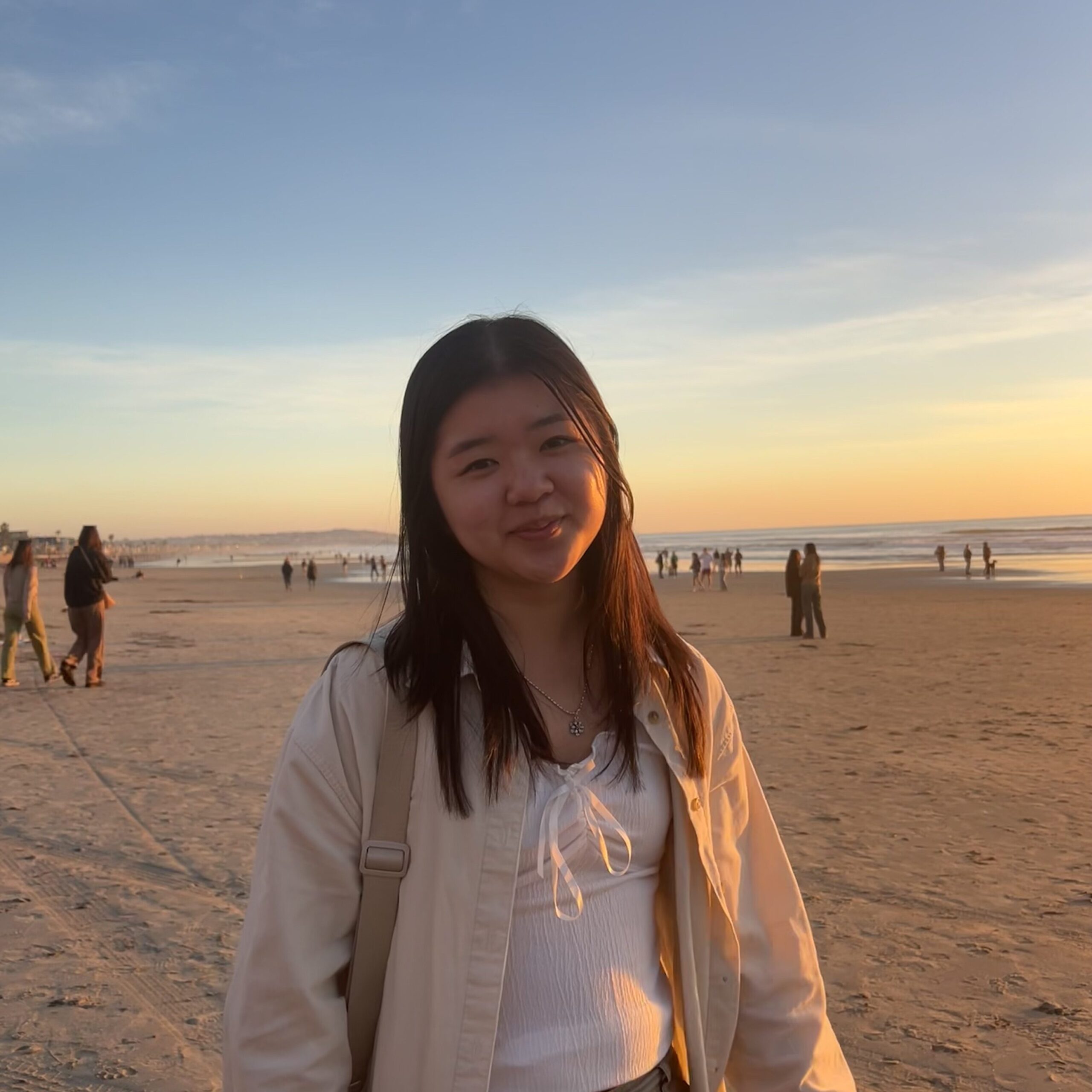


Amy Lov – Project Manager
Summer Dixon – Web Designer
Jeremy Shiu – Data Specialist
Amy is a fourth year-Cognitive Science major. She enjoys hiking, playing pickleball, going to concerts, and sudoku. As the project manager, she was responsible for setting deadlines and ensuring tasks are delegated.
Summer is a second-year Computer Science and Engineering major pursuing a Digital Humanities minor. She enjoys being a part of Club Golf at UCLA, playing electric guitar, drawing, and exploring LA with friends. For this project, she oversaw the website structure and design, created the timeline, and contributed to all of the content that went into the site.
Jeremy is a fourth-year Statistics major. He enjoys playing video games, reading, and watching sports. He’s a classically trained musician (cello and piano), but his favorite music genres to listen to are EDM and heavy metal. His tasks for this project mainly concerned data acquisition/cleaning and data visualizations.
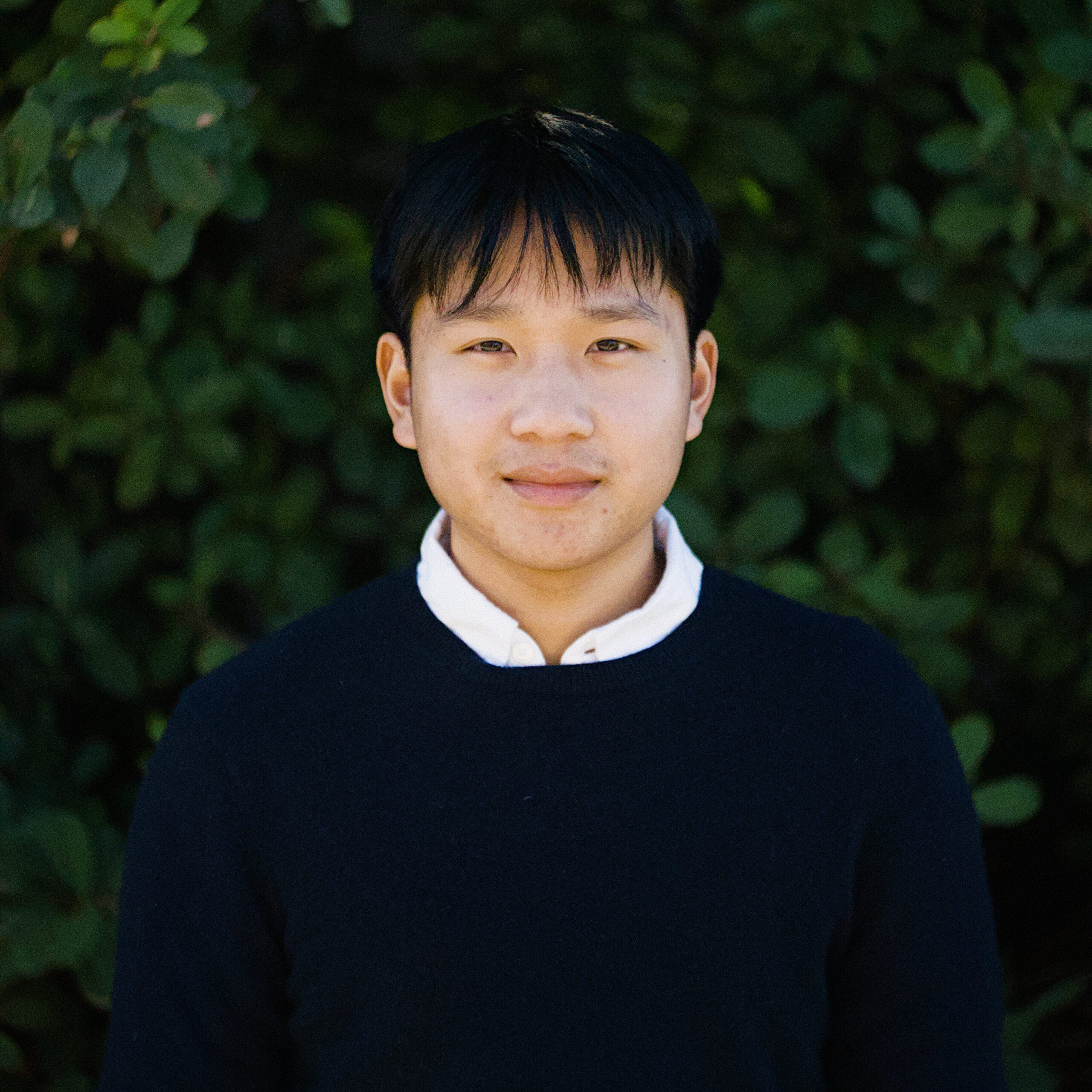
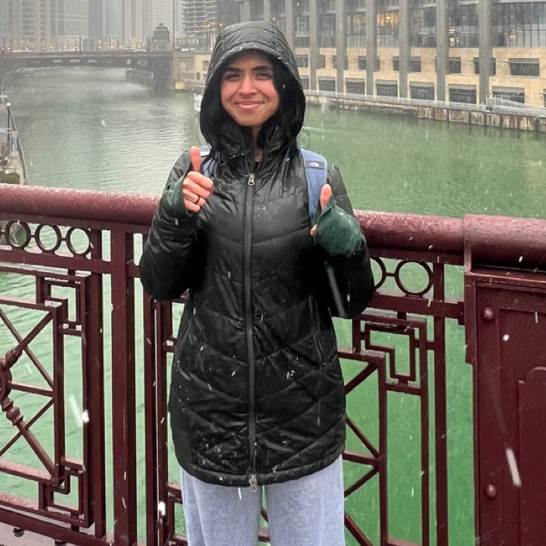

Anthoney Xie – Data Visualization Specialist
Shereen Ahmed – Content Developer
Leo (Zhewen) Fan – Editor
Anthoney is a third-year Cognitive Science major and minoring in Digital Humanities. He enjoys crocheting, playing video games, journaling, and playing violin. His tasks mainly involved analyzing the data visualizations and ensuring the website meets accessibility standards.
Shereen is a third-year Cognitive Science major and minoring in Digital Humanities. She enjoys being a part of LA Blueprint at UCLA. In her spare time Shereen likes to hang out with her friends, and try out fun new recipes to bake from TikTok.
Leo is a fourth-year European Languages and Transcultural Studies major with a minor in Film and Television. He enjoys playing video games, card games, drawing, and soccer. His favorite music genre to listen to is Hip-Hop. In this project, His task is mainly concerned with text editing.
Acknowledgements
We would like to express our heartfelt gratitude to Professor Wendy Kurtz for equipping us with the skills and knowledge that made this website possible. Her guidance and teachings have been instrumental in shaping our work. We are also deeply thankful to TA Cameron Manning for his invaluable support during our Friday sessions. His expertise in idea development and data visualization played a crucial role in bringing our website to life. Lastly, we extend our appreciation to our Digital Humanities 101 Fall 2024 classmates. Their insightful feedback during presentations greatly contributed to the improvements and refinements in the final draft of our website.